Tiger Haven: A Bold Typeface for Impactful Design
When I began redesigning my lifestyle blog, I knew the right font could transform the entire reading experience. After testing several options, I landed on Tiger Haven—a blackletter typeface that feels both timeless and modern. It’s not just a font; it’s a design statement that adds depth and character to any editorial project.
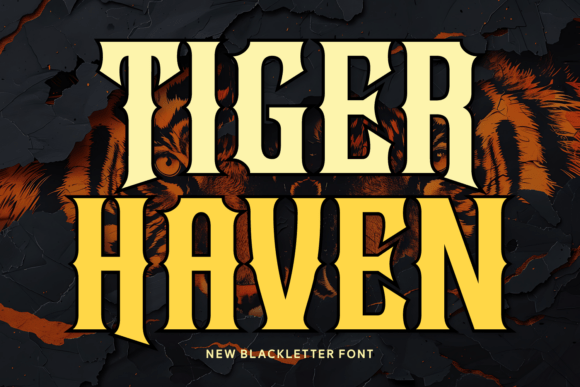
Tiger Haven’s visual character is defined by sharp angles and sweeping curves that evoke a sense of power and elegance. The contrast between its bold strokes and delicate details makes it ideal for headlines, logos, and decorative elements. Its historical roots are evident in the traditional blackletter structure, yet the modern refinements give it a fresh, dynamic edge.
Using Tiger Haven in a blog header immediately elevates the tone of the site. It draws attention without overwhelming the reader, making it perfect for titles that need to stand out. In my case, I paired it with a clean sans serif for body text, creating a balance between style and readability.
Where Tiger Haven Shines
As an editorial designer, I’ve found Tiger Haven excels in projects that require a strong visual identity. For a recipe ebook, I used it for chapter headings and pull quotes, giving each section a distinct personality. The font’s dramatic presence complements the food photography and adds a layer of sophistication to the overall layout.
In a wedding guide, Tiger Haven became the centerpiece of the cover design. Its boldness matched the celebratory mood of the content, while the intricate details added a touch of refinement. It worked well as a decorative accent in headers and captions, reinforcing the theme without distracting from the information.
For a printable planner, Tiger Haven brought energy to the title pages and section dividers. Its ability to command attention made it ideal for marking key sections, helping users navigate the content more intuitively. The font’s versatility allowed it to function both as a headline and a subtle design element.
Readability and Practical Use
While Tiger Haven is a display font, it’s important to consider its suitability for different formats. On screen, it works best in short bursts—headers, titles, and decorative elements. For longer text, it’s better to pair it with a readable serif or sans serif font to maintain clarity.
When designing for mobile layouts, I ensured that Tiger Haven was only used in areas where it wouldn’t interfere with legibility. In PDF exports, the font retained its sharpness and detail, which is crucial for print materials like brochures or business cards. For digital magazines, it served as a strong visual anchor, helping to define sections and create a cohesive look.
One thing to note is that Tiger Haven includes a range of alternates and ligatures, which can be used to customize the typography further. These features allow for greater control over the font’s appearance, making it adaptable to various design needs.
Pairing Tiger Haven with Other Fonts
Font pairing is essential for creating a balanced design. In my workflow, I often pair Tiger Haven with a classic serif font like Georgia or Baskerville for body text. This combination maintains a professional feel while allowing the display font to shine in headlines and titles.
For a more modern look, I’ve used Tiger Haven alongside a clean sans serif like Open Sans or Lato. This approach works well for newsletters and digital publications, where clarity and simplicity are key. The contrast between the two fonts adds visual interest without compromising readability.
When working on a coaching workbook, I experimented with pairing Tiger Haven with a handwritten script font for motivational quotes. The mix of styles created a warm, personal tone that resonated with the target audience. It showed how versatile the font can be when used thoughtfully.
Considerations for Commercial Use
If you’re planning to use Tiger Haven in commercial projects—whether for ebooks, templates, or client work—it’s important to check the licensing terms. Most fonts come with specific guidelines for different usage scenarios, and understanding these ensures compliance and avoids potential issues.
Additionally, verifying multilingual support is crucial if your content includes non-English text. While Tiger Haven may have limited coverage, it’s worth confirming whether it supports the languages you need. File formats also matter; make sure the font is available in the correct format for your intended use, such as OTF or TTF.
Ultimately, Tiger Haven is more than just a font—it’s a tool for storytelling. Whether you’re designing a blog header, a recipe ebook, or a wedding guide, it has the power to enhance the visual narrative and connect with your audience on a deeper level.
As I continue to explore new editorial projects, I find myself returning to Tiger Haven for its unique blend of history and innovation. It’s a font that respects tradition while embracing modern design principles, making it a valuable addition to any designer’s toolkit.
For those looking to elevate their content with a striking typeface, Tiger Haven offers a compelling choice. Its bold character and refined details make it suitable for a wide range of applications, proving that thoughtful font selection can truly transform the reading experience.